Understanding Energy Density of Foods
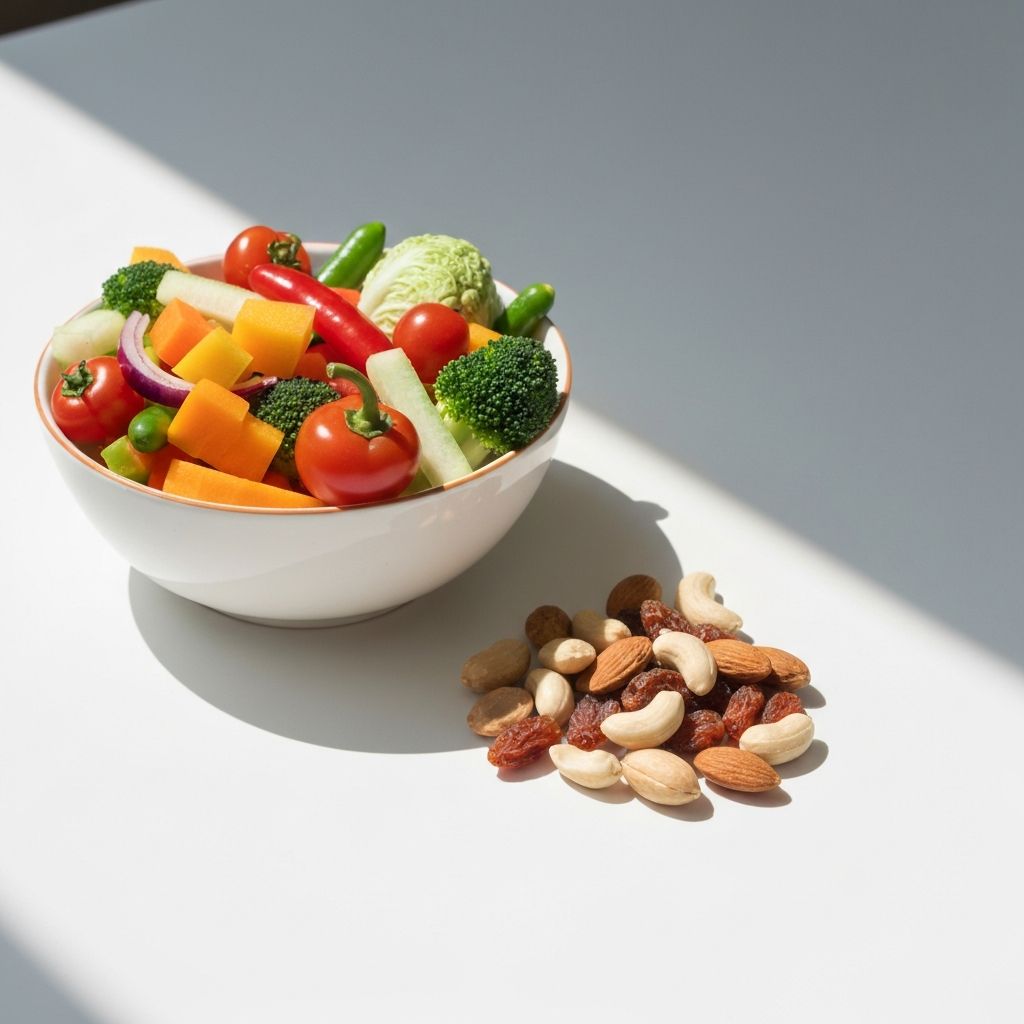
Defining Energy Density
Energy density refers to the amount of energy (calories) a food contains relative to its weight or volume. A food with high energy density provides substantial calories in a small volume, while a food with low energy density provides fewer calories in a larger volume. Energy density is typically expressed as kilocalories per 100 grams or kilocalories per litre of food.
Energy density explains why 100 grams of different foods can be vastly different in terms of calories. Understanding this concept provides insight into how food composition influences satisfaction from meals and total intake patterns, as people often consume similar volumes of food regardless of energy density.
Factors Determining Energy Density
Multiple factors influence a food's energy density:
- Water content: Water adds no calories but substantial weight and volume. High water-content foods have lower energy density regardless of other components
- Fat content: Fat is the most energy-dense macronutrient at 9 kcal per gram. Foods high in fat have higher energy density than lower-fat foods of similar weight
- Protein content: Protein provides 4 kcal per gram. Protein-rich foods have moderate energy density, lower than fats but higher than carbohydrate-rich foods with high water content
- Carbohydrate content: Carbohydrates provide 4 kcal per gram. Foods high in refined carbohydrates and low in water have higher energy density; foods high in fibre often have lower energy density
- Fibre content: Dietary fibre provides negligible calories and adds volume and weight, reducing overall energy density
- Processing level: Refined, processed foods typically have higher energy density than whole foods due to removal of water and fibre
Examples of Energy Density Variation
Consider the substantial differences in energy provided by similar weights of different foods:
| Food (100g) | Calories | Energy Density | Primary Reason |
|---|---|---|---|
| Broccoli, raw | 34 | Very low | High water, low fat, high fibre |
| Apple with skin | 52 | Very low | High water, natural fibre, minimal fat |
| Wholemeal bread | 250 | Moderate | Reduced water from baking, whole grains, fibre |
| White bread | 265 | Moderate | Reduced water, refined grain, minimal fibre |
| Chicken breast, cooked | 165 | Moderate | Protein-rich, moderate water, minimal fat |
| Peanut butter | 588 | Very high | High fat, minimal water, minimal fibre |
| Vegetable oil | 884 | Extremely high | Pure fat, no water, no carbohydrate |
Low Energy-Density Foods
Foods with low energy density include:
Characteristics
- High water content (vegetables, fruits)
- High fibre content (whole grains, legumes)
- Minimal or no fat (lean proteins, low-fat dairy)
- Examples: broccoli, lettuce, apples, lentils, skinless chicken, non-fat yogurt
High Energy-Density Foods
Foods with high energy density include:
Characteristics
- Low water content (dried foods, processed foods)
- High fat content (oils, nuts, fatty meats)
- Low fibre content (refined grains, sugar-containing foods)
- Examples: oils, nuts, fatty meats, refined grains, confectionery, processed snacks
Implications of Energy Density
Energy density has several practical implications for understanding food and eating patterns:
- Satiety volume: People often eat based on food volume rather than calories. Consuming high water-content, low energy-density foods provides greater volume for equivalent calories compared to energy-dense foods
- Total intake patterns: A person might consume 300 grams of low energy-density vegetables (100-150 calories) versus 50 grams of energy-dense nuts (300 calories). Both represent reasonable portions, but the volumes differ dramatically
- Meal composition: Meals combining low energy-density vegetables with moderate amounts of higher energy-density proteins and grains provide substantial volume while managing overall energy content
- Food quality effects: Processing often removes water and fibre, increasing energy density. Whole foods typically have lower energy density than processed equivalents
Energy Density and Food Choice
Understanding energy density provides objective information about food composition. High energy-density foods are not "bad"—they are efficient sources of energy and provide concentrated nutrients. However, consuming primarily high energy-density foods means consuming substantial calories in relatively small volumes, which may or may not align with individual energy requirements and satiety needs.
Conversely, basing meals around low energy-density foods provides substantial food volume and bulk, potentially supporting satiety despite lower overall calorie content. The optimal approach depends on individual energy requirements and how different food compositions affect individual satiety and satisfaction.
Energy Density in Context
Energy density is one factor among many influencing food choice, nutritional adequacy, and overall energy balance. While understanding energy density provides useful information about food composition, practical eating patterns involve numerous considerations including nutrient content, personal preferences, cultural factors, cost, and accessibility—all of which collectively influence what and how much people eat.